Global Auto Industry Faces Sales Slowdown in 2026 | Latest Automotive News
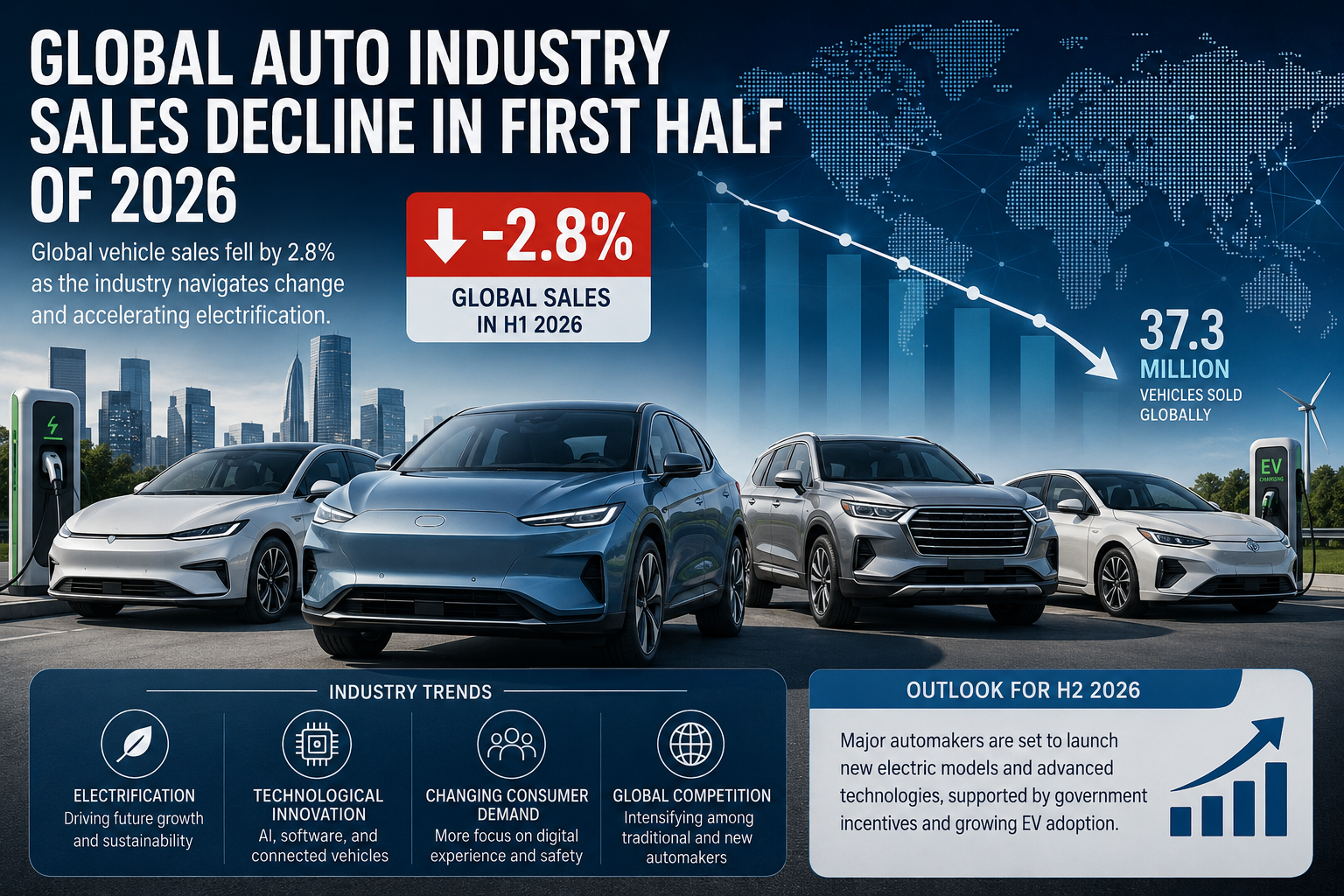
The global automotive industry is entering a new phase of transformation after vehicle sales among the world’s 20 largest automakers fell by 2.8% during the first half of 2026. Industry analysts say the slowdown reflects changing consumer preferences, economic uncertainty, and the rapid transition toward electrification.
According to the latest industry analysis, approximately 37.3 million vehicles were sold by the world’s leading automotive manufacturers between January and June 2026. Fourteen of the top twenty automakers recorded declining sales compared to the same period last year.
Global Market Continues to Shift
The automotive sector continues to experience significant structural changes as governments strengthen emissions regulations while consumers increasingly consider electric and hybrid vehicles.
Experts believe manufacturers that fail to accelerate innovation in battery technology, software integration, and connected mobility could struggle to remain competitive over the coming years. The industry is also facing pressure from supply chain adjustments, higher production costs, and growing competition from emerging EV manufacturers.
Electrification Remains the Primary Growth Driver
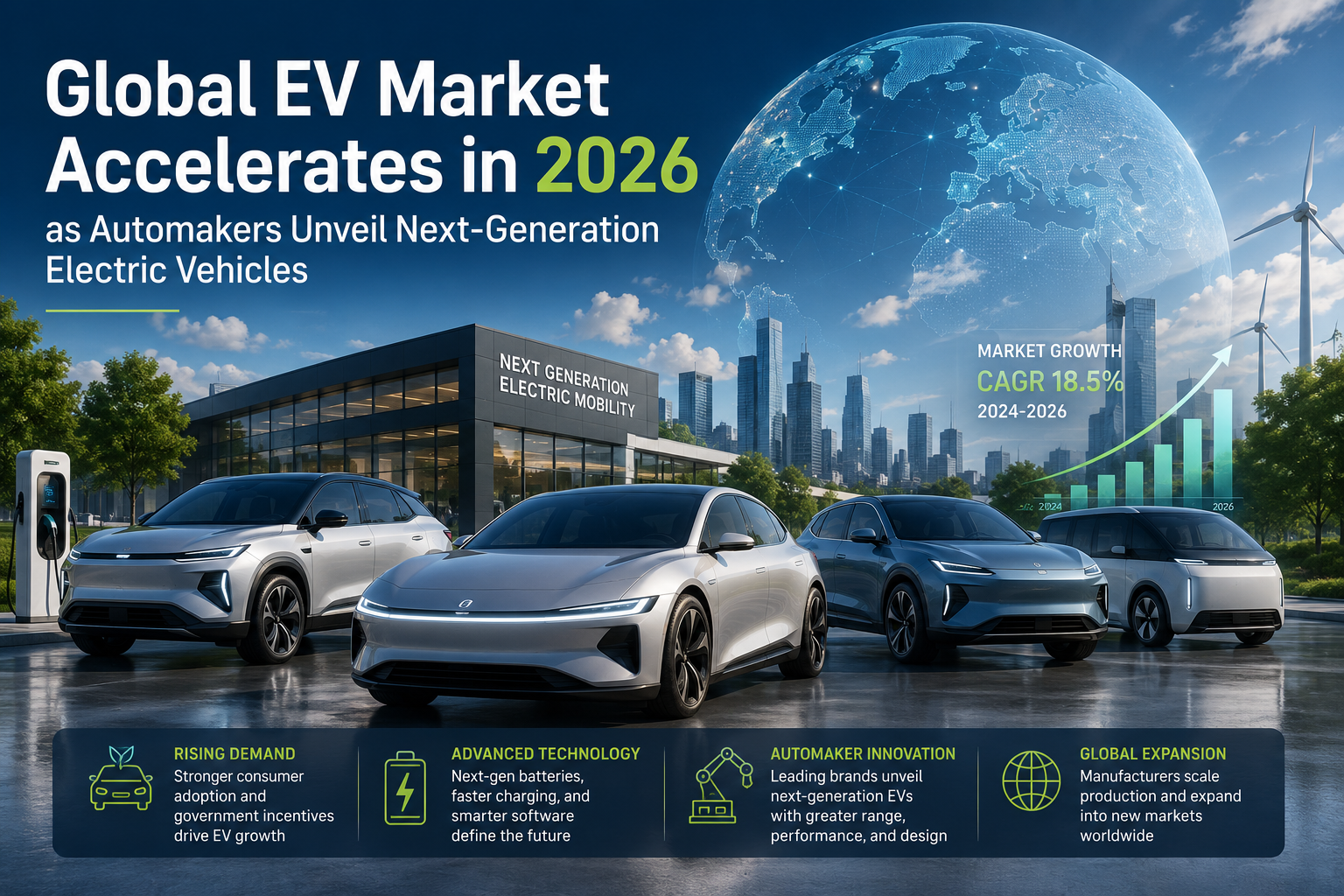
Although overall vehicle sales declined, demand for electrified vehicles—including battery electric vehicles (BEVs) and plug-in hybrids (PHEVs)—continues to expand in several major markets.
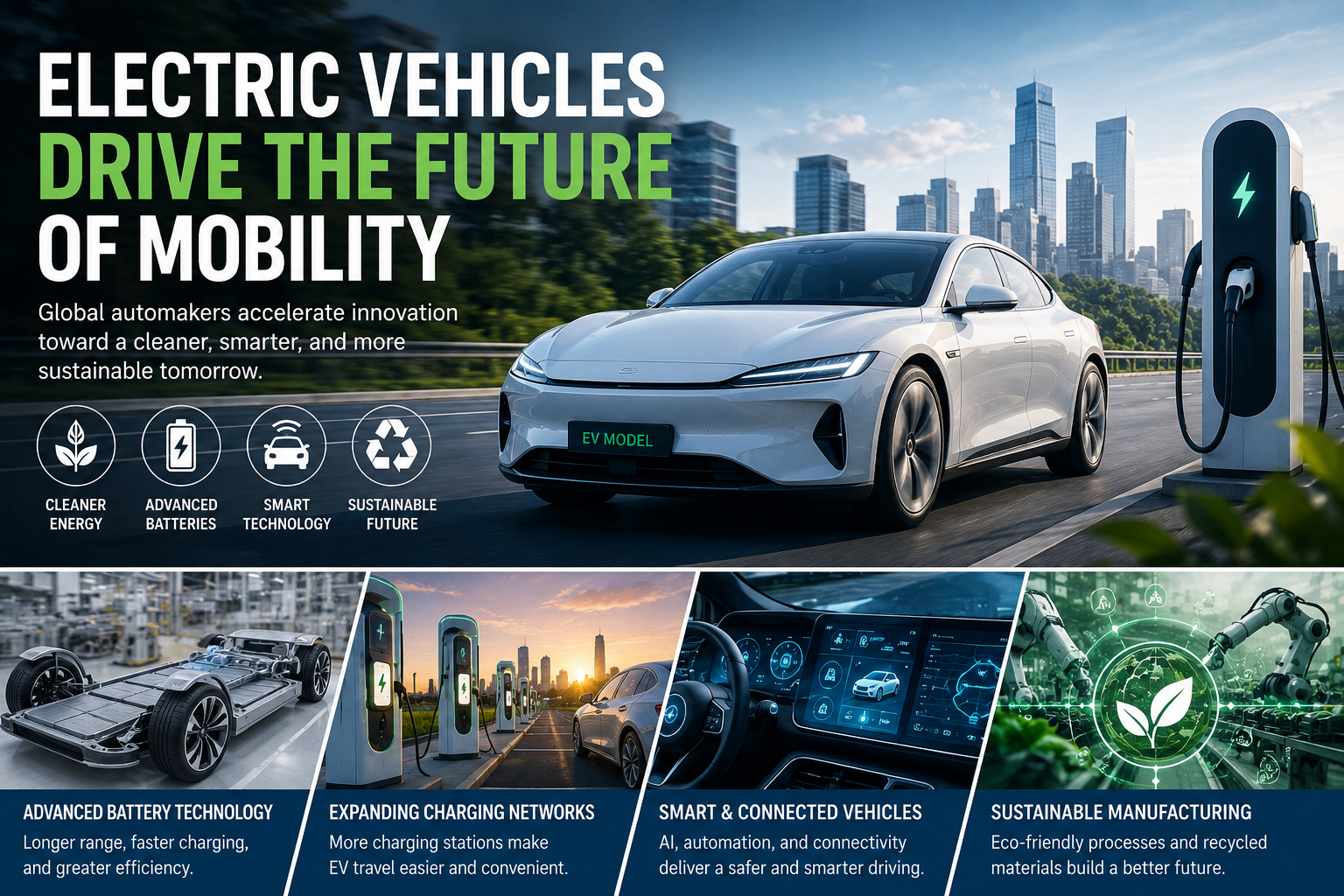
Automakers are investing billions of dollars into new EV platforms, advanced battery technologies, autonomous driving systems, and digital vehicle ecosystems to capture future market share.
Competition Intensifies Among Global Manufacturers
Traditional automakers are now competing directly with fast-growing electric vehicle brands, particularly from Asia. This increased competition has accelerated product development cycles and encouraged manufacturers to introduce more affordable EV models.
Industry analysts note that success will increasingly depend on:
- Battery efficiency
- Software capabilities
- Charging infrastructure
- Manufacturing flexibility
- Artificial intelligence integration
Consumer Expectations Continue to Evolve
Today’s buyers expect more than fuel efficiency. Modern vehicles are increasingly judged by their connectivity features, driver-assistance technologies, over-the-air software updates, and overall digital experience.
Automakers investing heavily in smart mobility and sustainable manufacturing are expected to gain a competitive advantage over the next decade.